


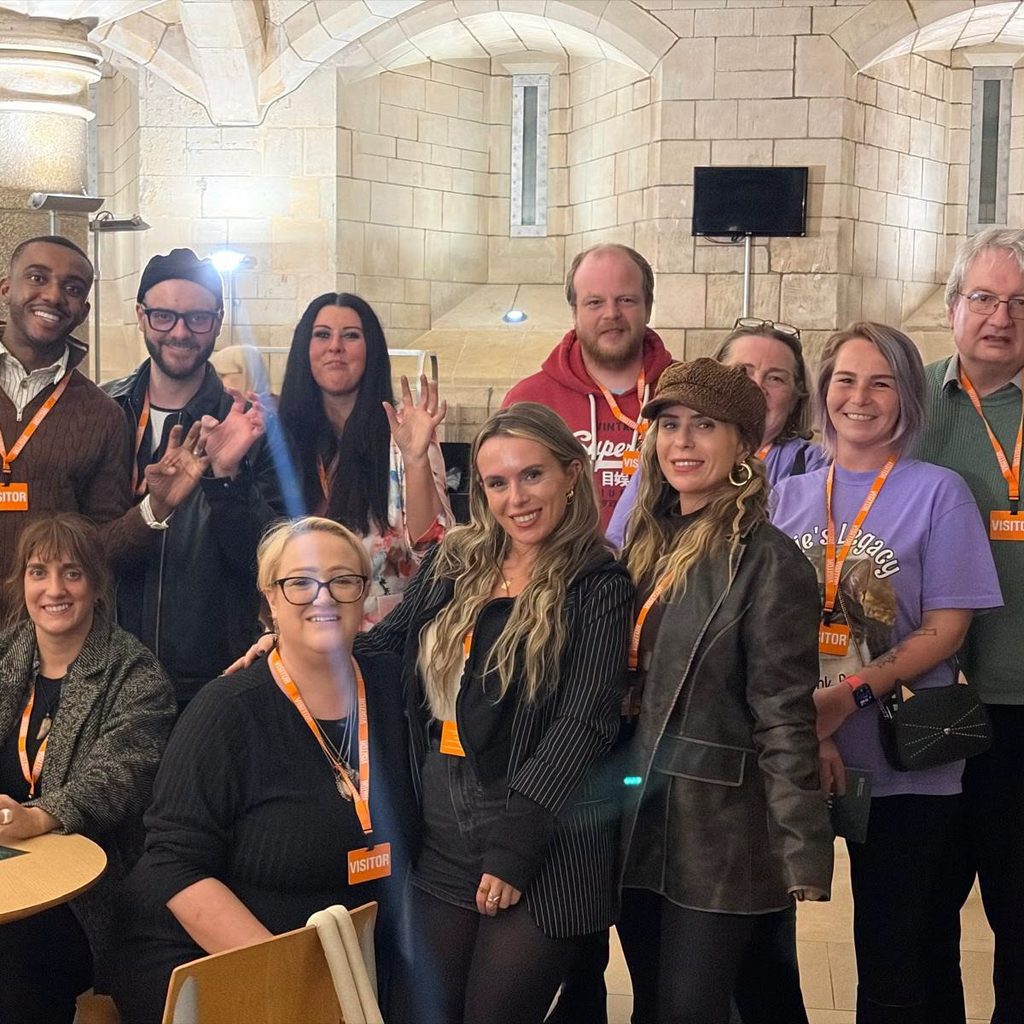
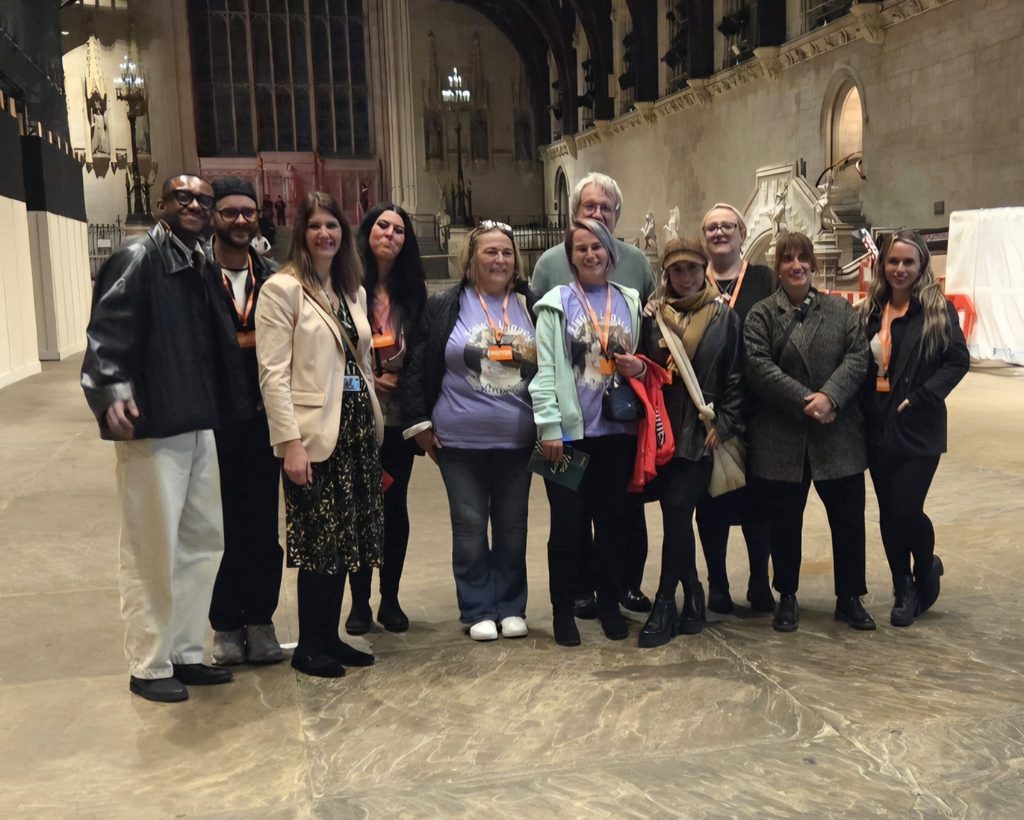
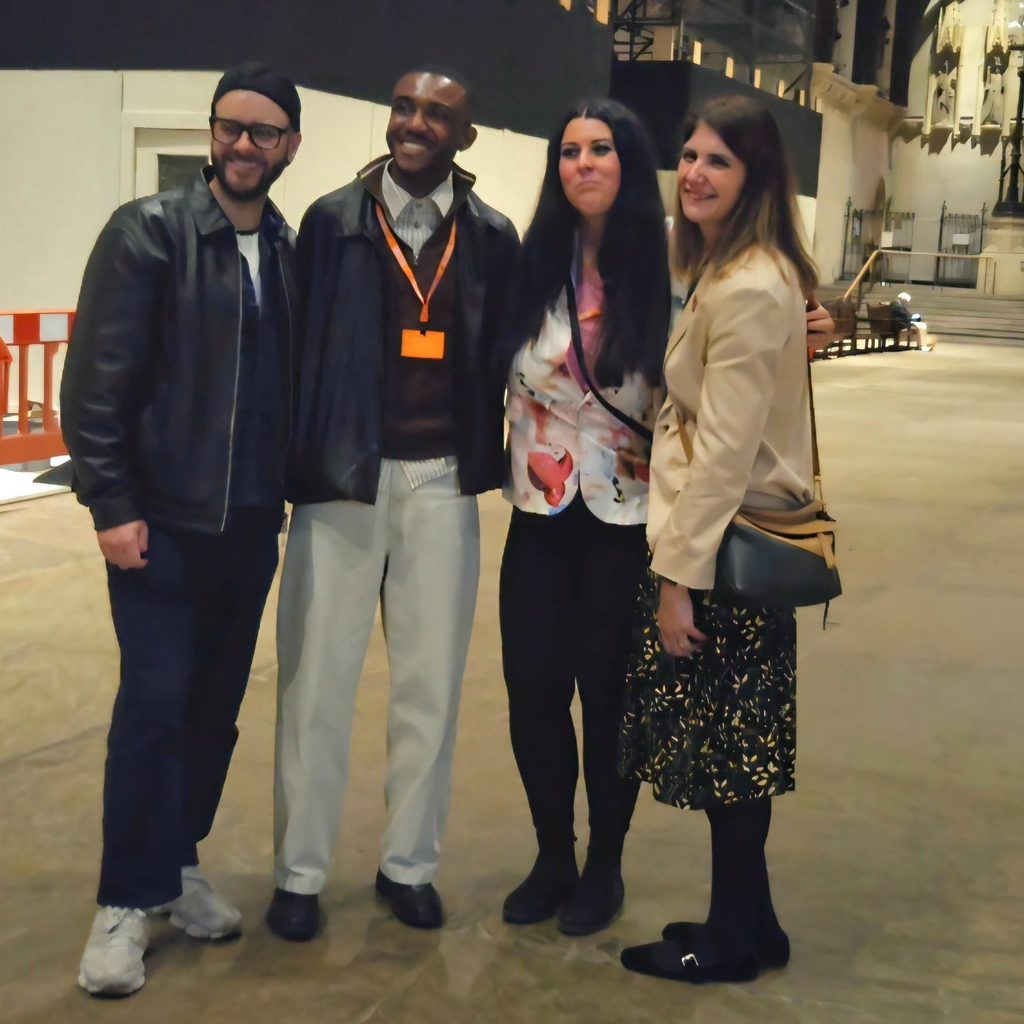

For the first time, Parliament has sent a clear and united message: the law surrounding cats injured or killed on Britain’s roads can no longer remain as it is.
At a Westminster Hall debate on Monday 26 October, MPs from across the political spectrum came together to support change, highlighting the unfairness and distress caused by a legal loophole that means drivers are not currently required to report collisions involving cats.
The debate followed what has become the largest cat-related petition ever presented to Parliament, demonstrating the strength of public feeling on this issue. It also comes against a backdrop of unprecedented support from the animal welfare sector, with more than 70 animal welfare organisations, including the RSPCA, signing an open letter calling on Government to update legislation and better protect cats and their owners.
Perhaps most significantly, every MP who spoke in the debate, along with the Minister responding on behalf of the Government, agreed that the current situation needs to change. Debates are supposed to raise opposite. In this case, there was no one opposing a law change.
While the Minister made clear that he does not currently believe simply adding cats to the Road Traffic Act is necessarily the correct legislative route, he was equally clear that the Government wants to explore alternative options and work constructively with campaigners to find a solution.
The Minister also agreed to meet with CatsMatter to discuss the issue further and examine potential pathways forward.
During the debate, reference was made to other jurisdictions that already require the reporting of collisions involving cats. However, these systems vary considerably in how they have been legislated for and enforced. We welcome the Minister’s willingness to examine those existing models to identify what could work best in England.
CatsMatter also has upcoming meetings with DEFRA to discuss whether legislative reform could be achieved through alternative mechanisms, including the potential addition of provisions within the Animal Welfare Act 2006.
At the heart of this campaign is a simple question:
How can it still be legally acceptable in 2026 for a cat to be left injured, frightened, suffering at the roadside, or for its body to remain undiscovered, leaving owners with no answers about what happened to a much-loved family member?
For thousands of families, this is not a theoretical policy discussion. It is the devastating reality of never knowing what happened to a cherished pet, or discovering too late that help might have been possible had a collision been reported.
We were encouraged by the tone and substance of Monday’s debate. MPs spoke passionately about the emotional impact on families, the status of cats as beloved companions, and the need for legislation to reflect modern attitudes towards animal welfare.
The debate demonstrated that this is not a party-political issue. It is an animal welfare issue, a public interest issue, and increasingly a matter of common sense. The cross-party support shown in Parliament mirrors the widespread backing we have received from the public, veterinary professionals, rescue organisations and welfare charities across the country.
For CatsMatter, Monday’s debate was not the end of the campaign. It was a major step forward.
For the first time, we now have on-the-record agreement from MPs and Government that the law requires reform. The discussion has shifted from whether change should happen to how change can best be delivered.
We look forward to continuing constructive discussions with Government and DEFRA to ensure that no cat is left suffering on the roadside and no owner is left without answers.
Photos from our visit to Parliament and the debate on Monday 26 October are attached for editorial use.